Choosing a wedding venue sets the foundation for your entire planning experience. It impacts your budget, vendor flexibility, and how personal your day can feel. Because of this, not all venues function the same way, even if they look similar online.
In this series, we break down the four most common types of wedding venues. We also share what to look out for before booking. Understanding these differences helps you to avoid surprises and choose a venue that truly supports your vision.
Type 1: The All-Inclusive Venue
All-inclusive venues bundle most venue-specific vendors into one package. These often include catering and bar, rentals, florals, DJ services, cake, decor, and planning or coordination. Many also offer a decor closet for couples to select from. However, these venues usually exclude photography, videography, content creation, hair and makeup, attire, and personalized decor or signage.
This venue type creates a turnkey planning experience. It limits decisions and reduces vendor research, which lowers stress for many couples. However, the starting price rarely reflects the final cost. Upgrades increase expenses quickly, and pricing leaves little room for negotiation. In addition, many weddings at these venues tend to feel similar due to the limited vendor and aesthetic options. You also work with the vendors provided, regardless of fit or service style. Before booking, review past weddings hosted at the venue. Make sure their style and vendors align with your vision and expectations.
Type 2: The Preferred Vendor Venue
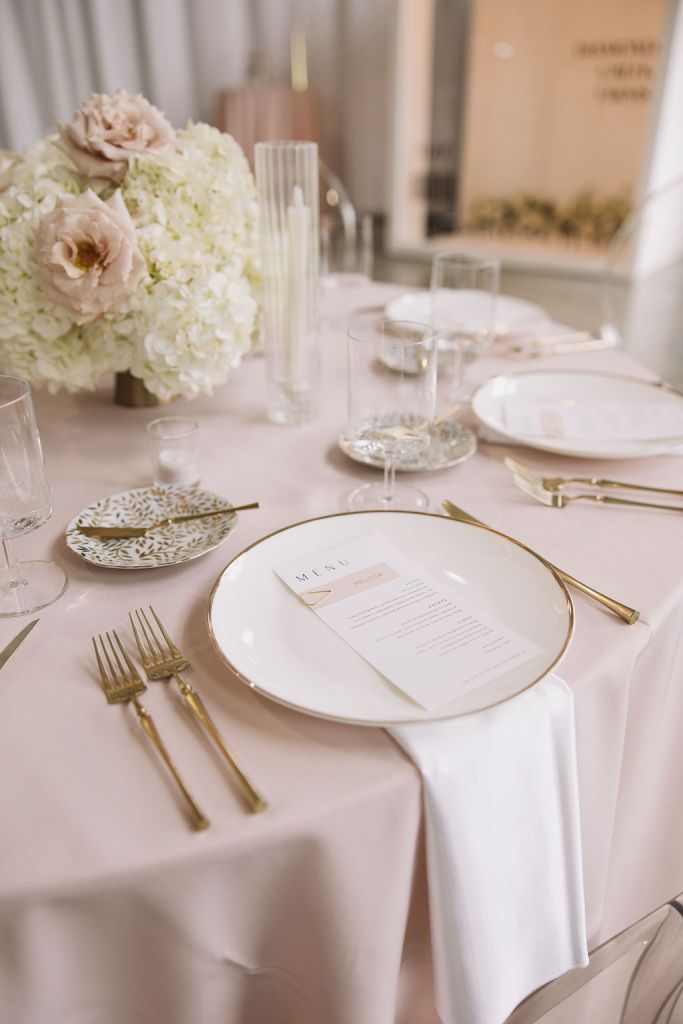
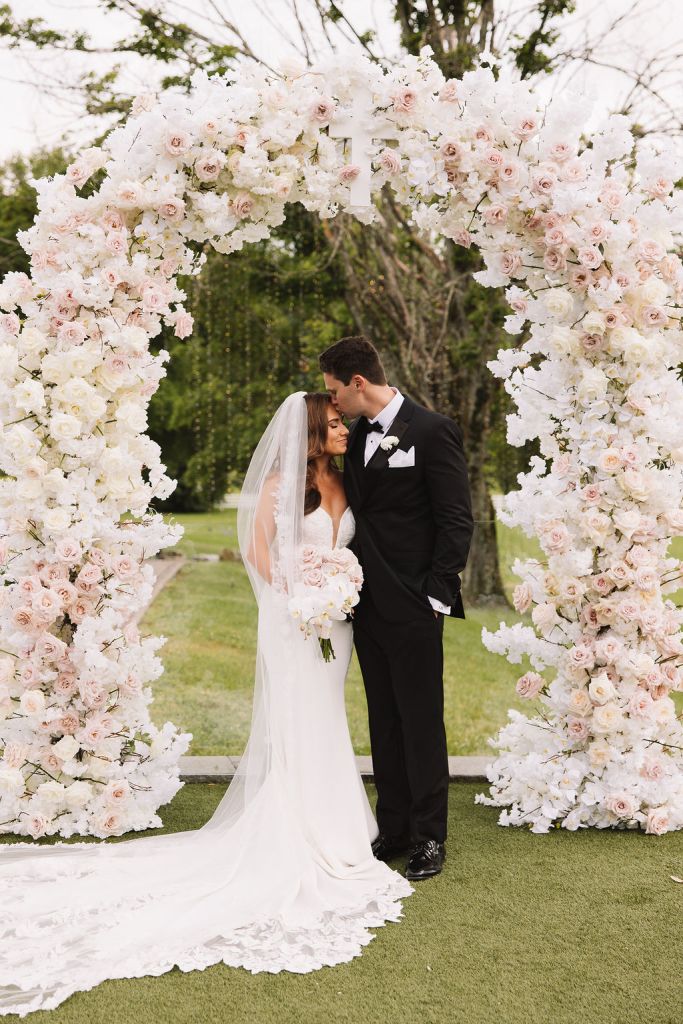
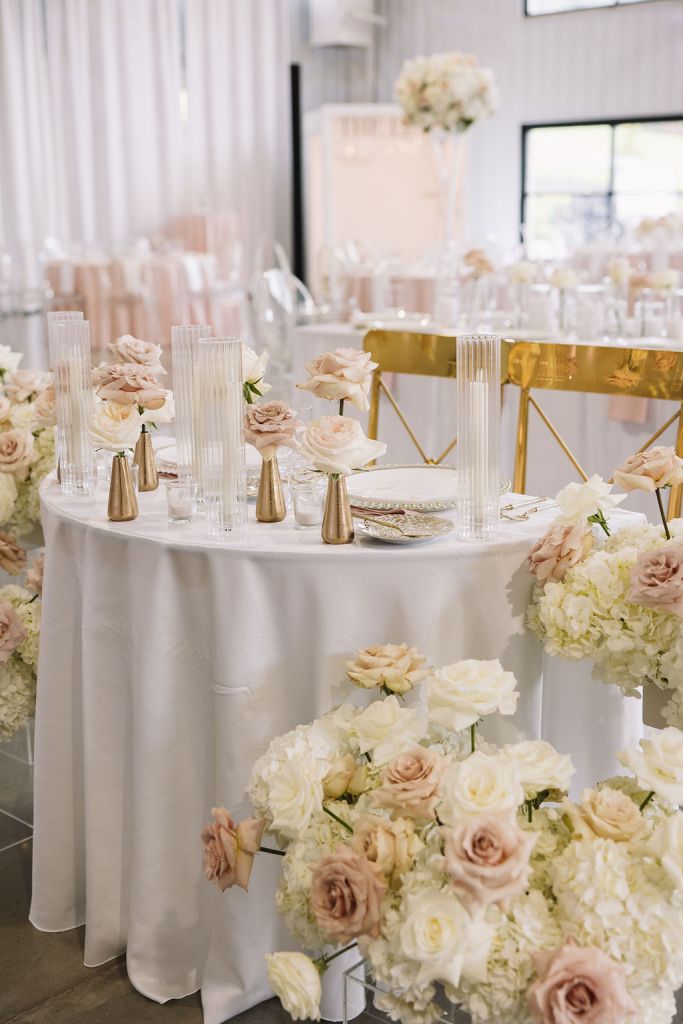
Preferred vendor venues offer more flexibility than all-inclusive spaces. However, they still require specific vendors for key services. These often include catering and bar, DJ, florals, planning or coordination, and sometimes rentals. Because of this structure, couples gain some creative control without managing every decision alone.
This venue type reduces decision fatigue while allowing personalization. It often feels less overwhelming than a fully open venue. At the same time, required vendors can impact your budget and experience. An affordable venue does not guarantee affordable vendors. Additionally, you must work with their selected professionals, even if it isn’t quite who you would have selected given the option. Before booking, research required vendor pricing and quality. Make sure their style, approach, and costs align with your vision and expectations.
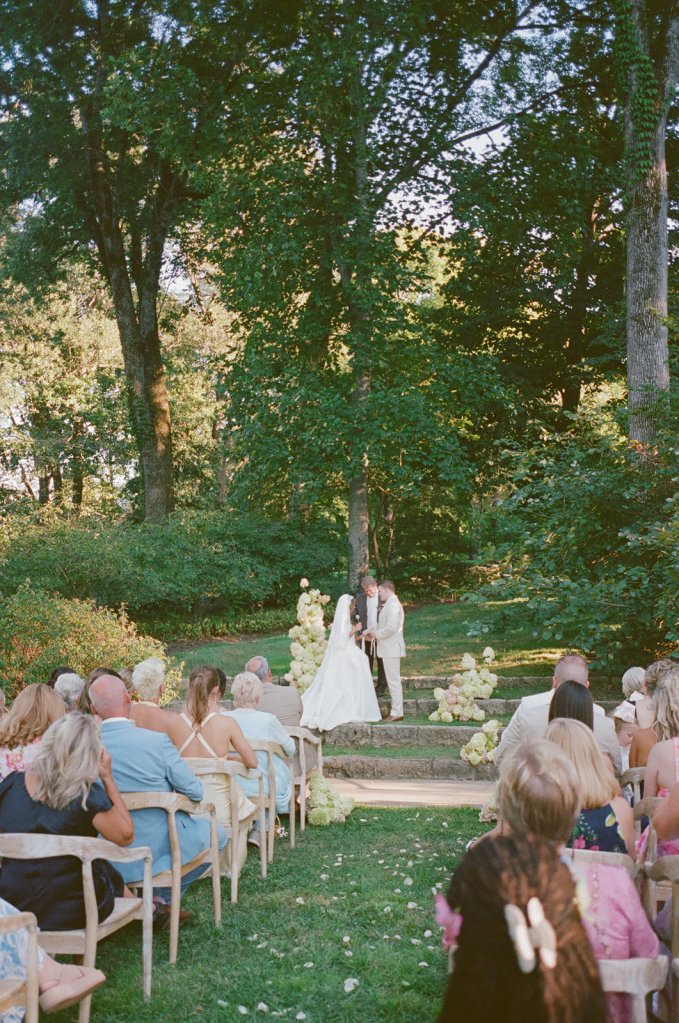
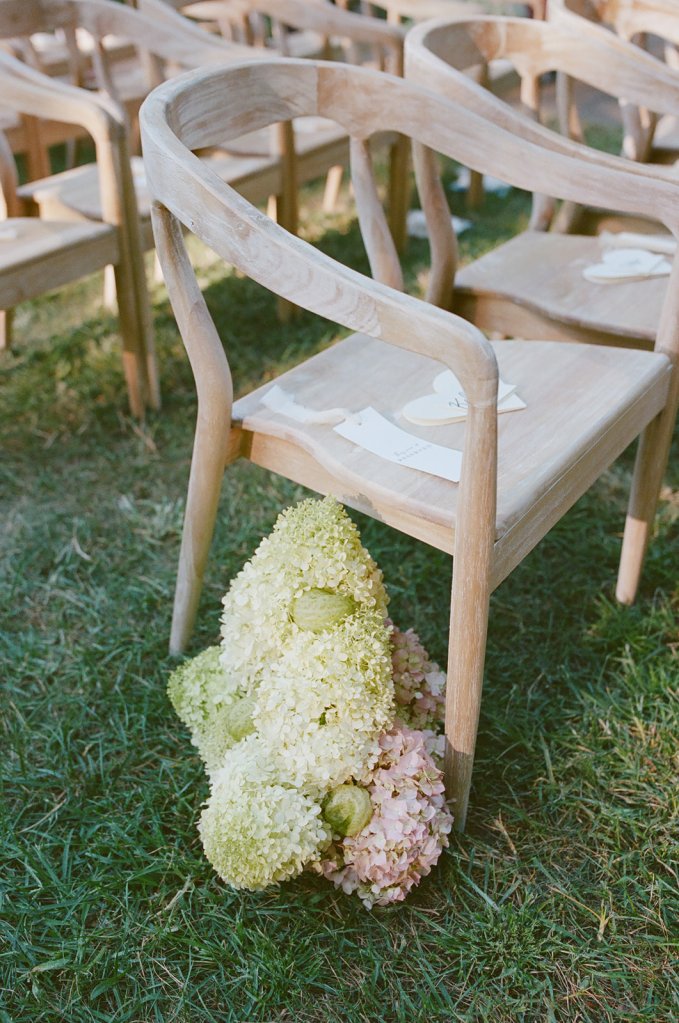
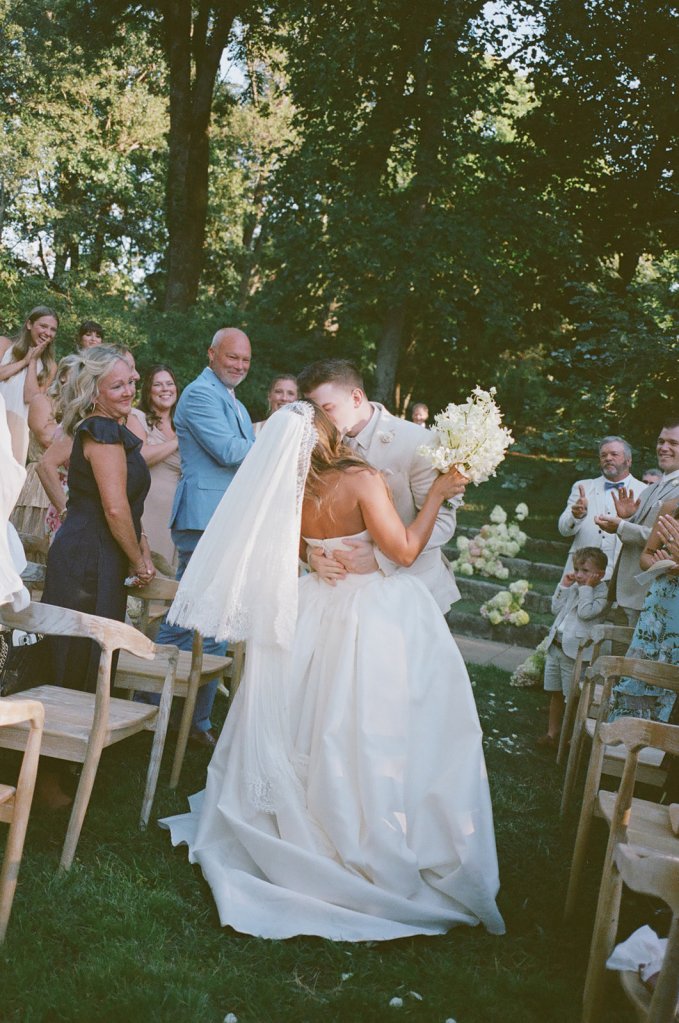
Type 3: The Open Vendor Policy Venue
Open vendor policy venues place no restrictions on your vendor choices. This gives you complete freedom to build a team that fits your budget, style, and personality. As a result, your wedding can feel deeply personal rather than reflecting a venue’s standard formula.
However, this freedom comes with responsibility. Endless options often mean more research and longer decision timelines. Many couples feel overwhelmed without clear starting points. For this reason, hiring a wedding planner makes a significant difference. A planner provides direction, streamlines decisions, and protects your time. If you plan without one, prepare for a larger time investment so expectations stay aligned.
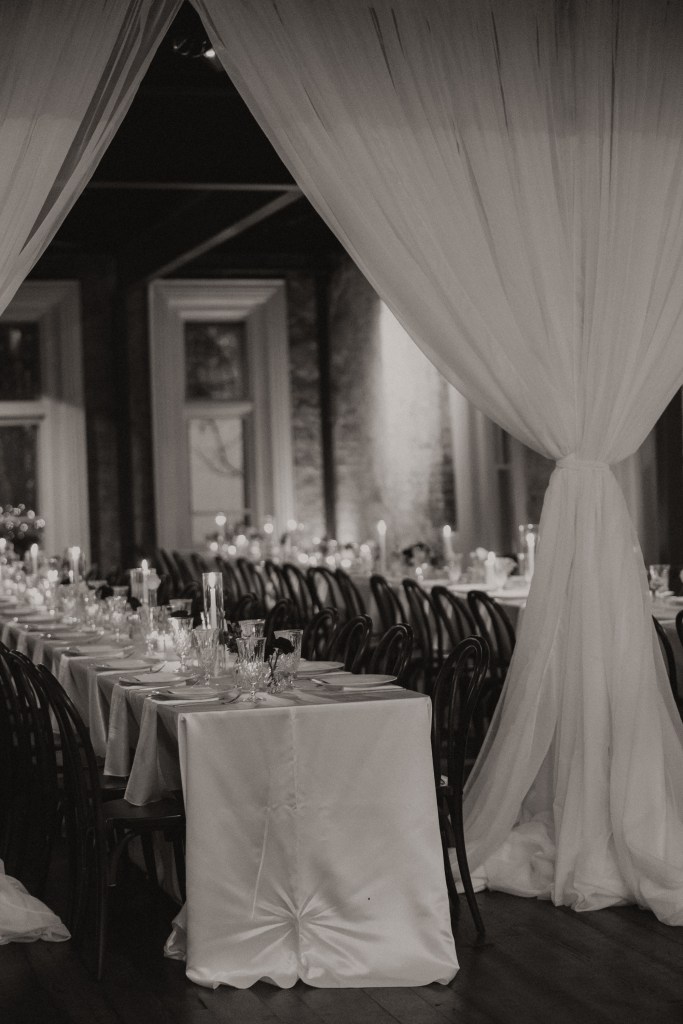
Type 4: Private Estate or Home Wedding
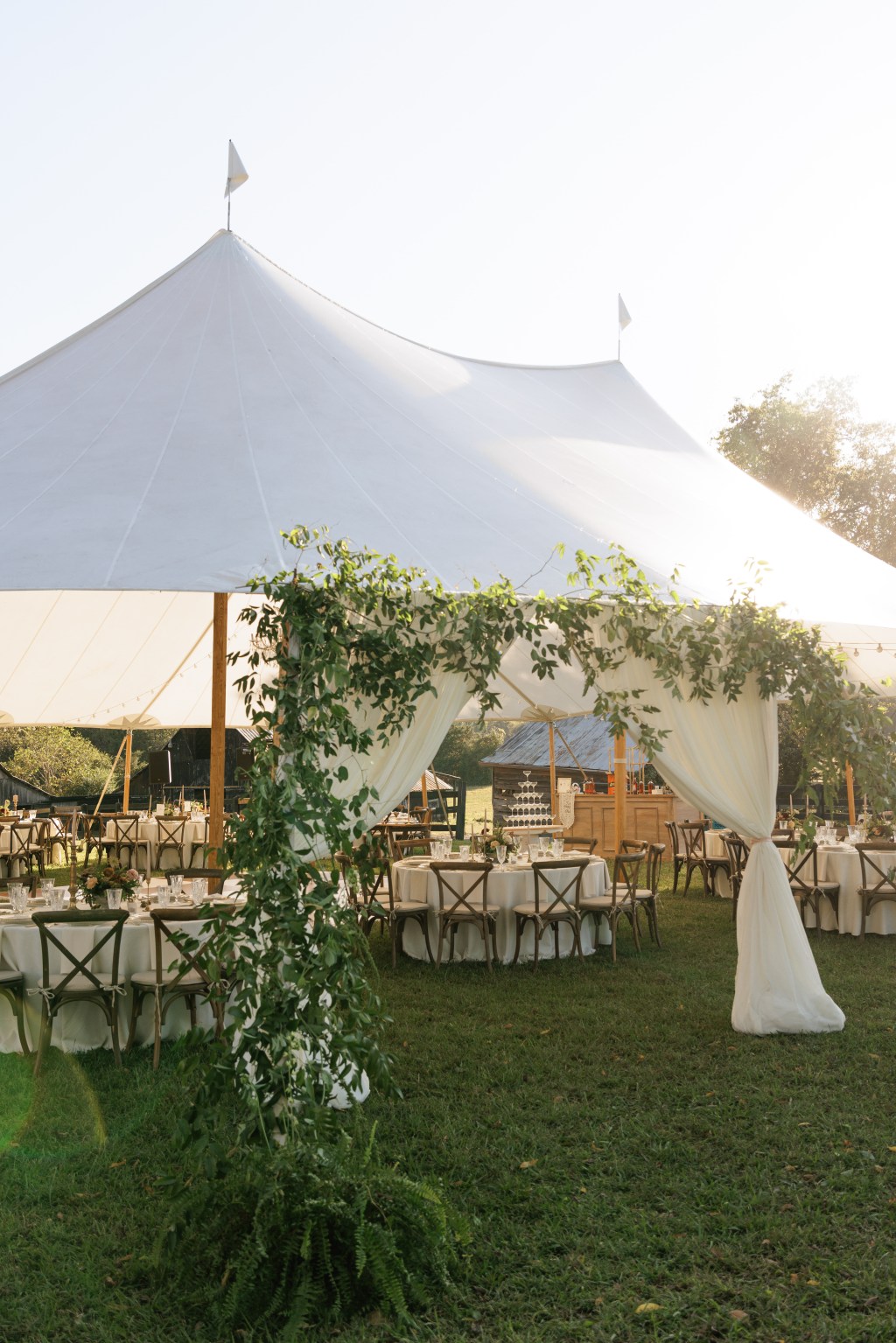
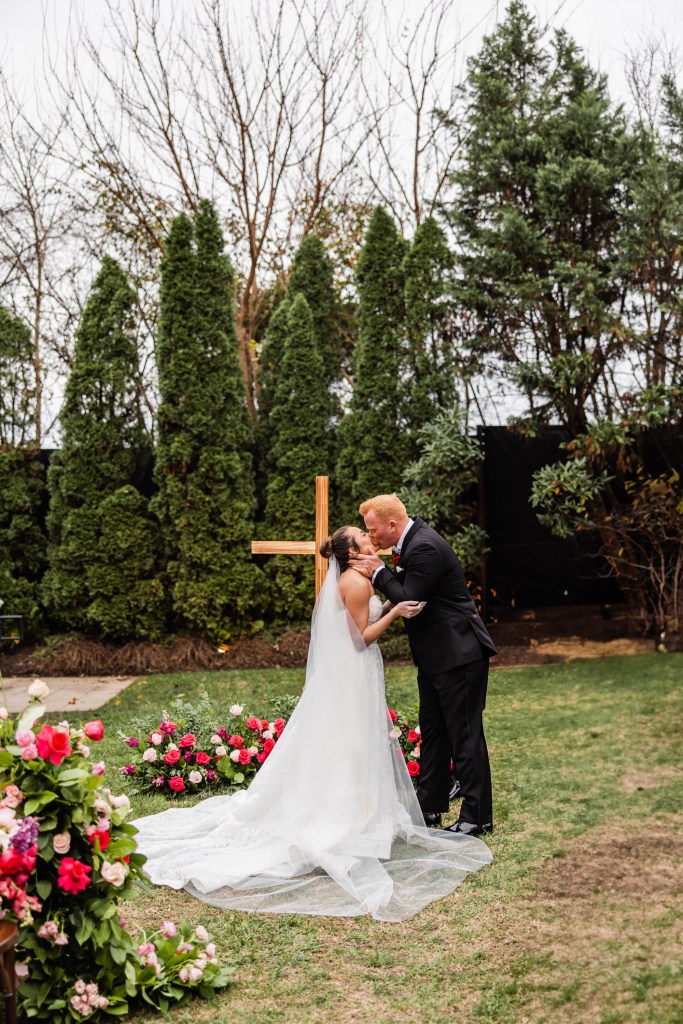
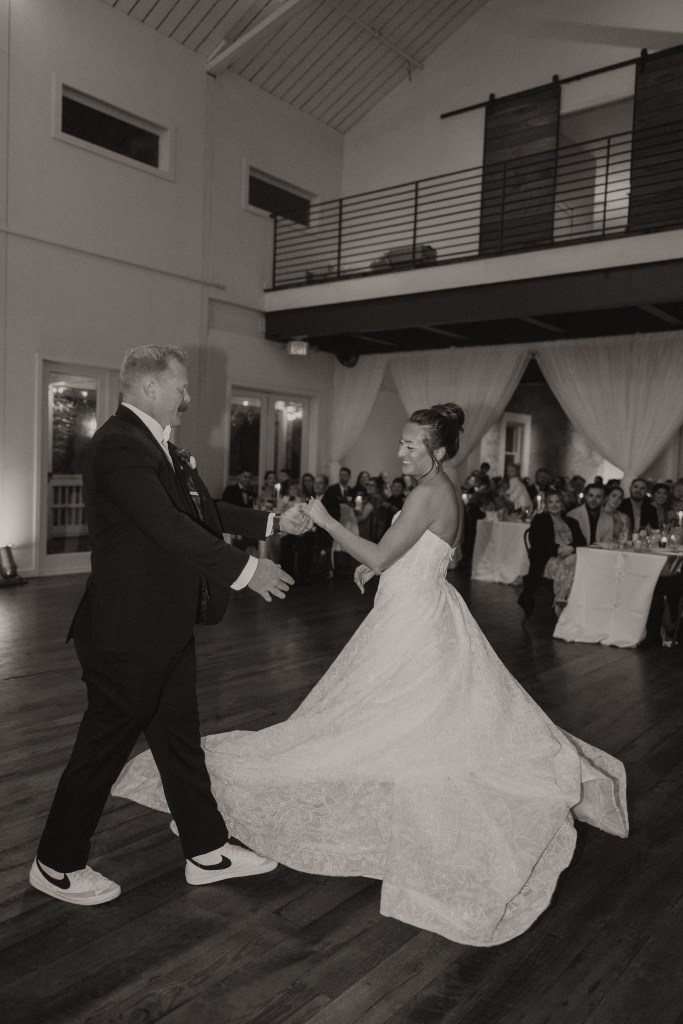
Private estate and home weddings offer complete freedom. These venues come with zero vendor requirements or restrictions. Because of this, they create a deeply personal experience rooted in meaning and nostalgia. Hosting your wedding in a cherished space often adds emotional depth that traditional venues cannot replicate. You also gain full control to choose vendors that align with your budget, style, and personality.
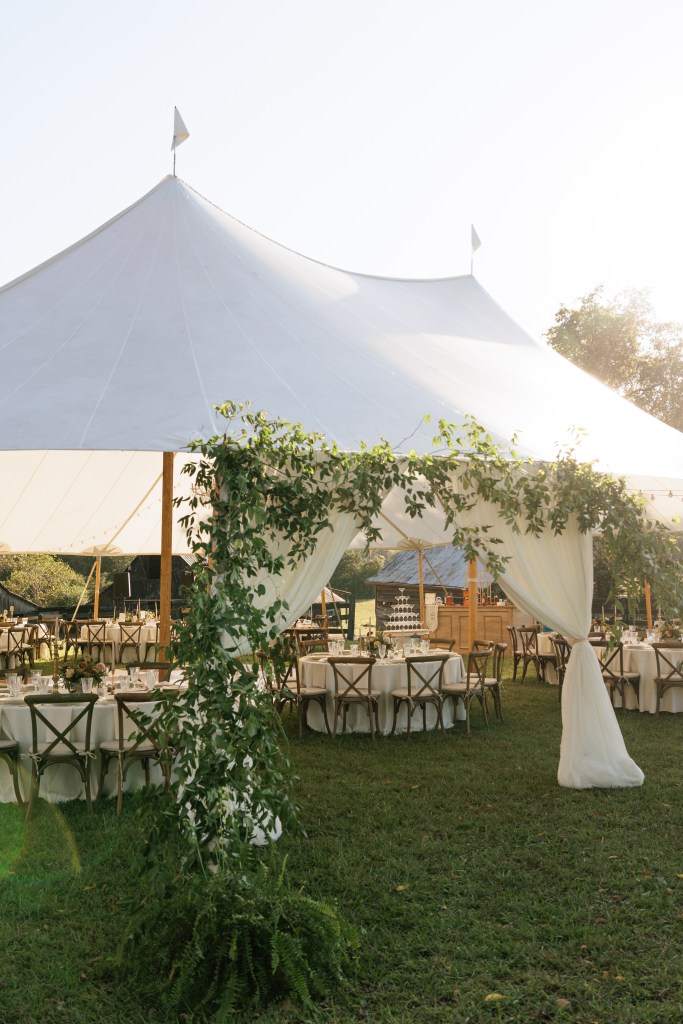
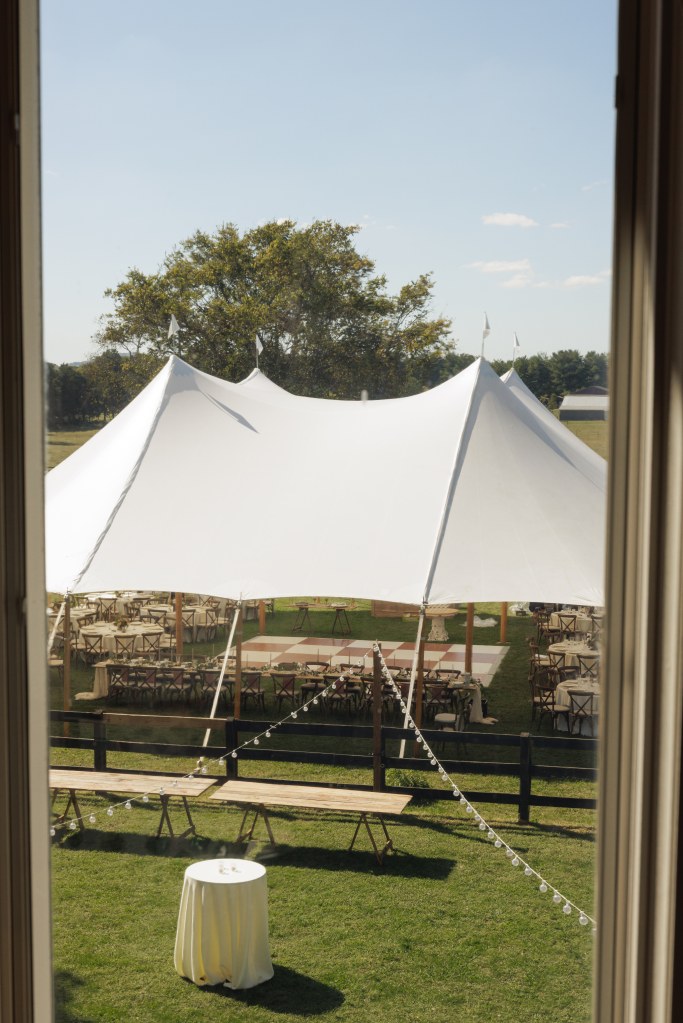
However, this option often costs more than couples expect. You essentially build a venue from the ground up. Tenting, power sources, generators, restrooms, rentals, and waste management add up quickly. In addition, unlimited vendor options require significant time and research. Without clear guidelines, many couples feel overwhelmed. For this reason, hiring a wedding planner is critical. A planner manages logistics, controls costs, and protects your time. If you proceed without one, prepare for a larger investment of both time and budget so expectations stay realistic.

 H. Ownby Events